




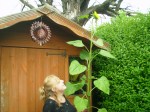





I did an early shift at the telephone job, so now I can water the garden and relax with a good book.
Welcome to the garden Patsy, and thanks for taking time to tell us a bit more about your stories.

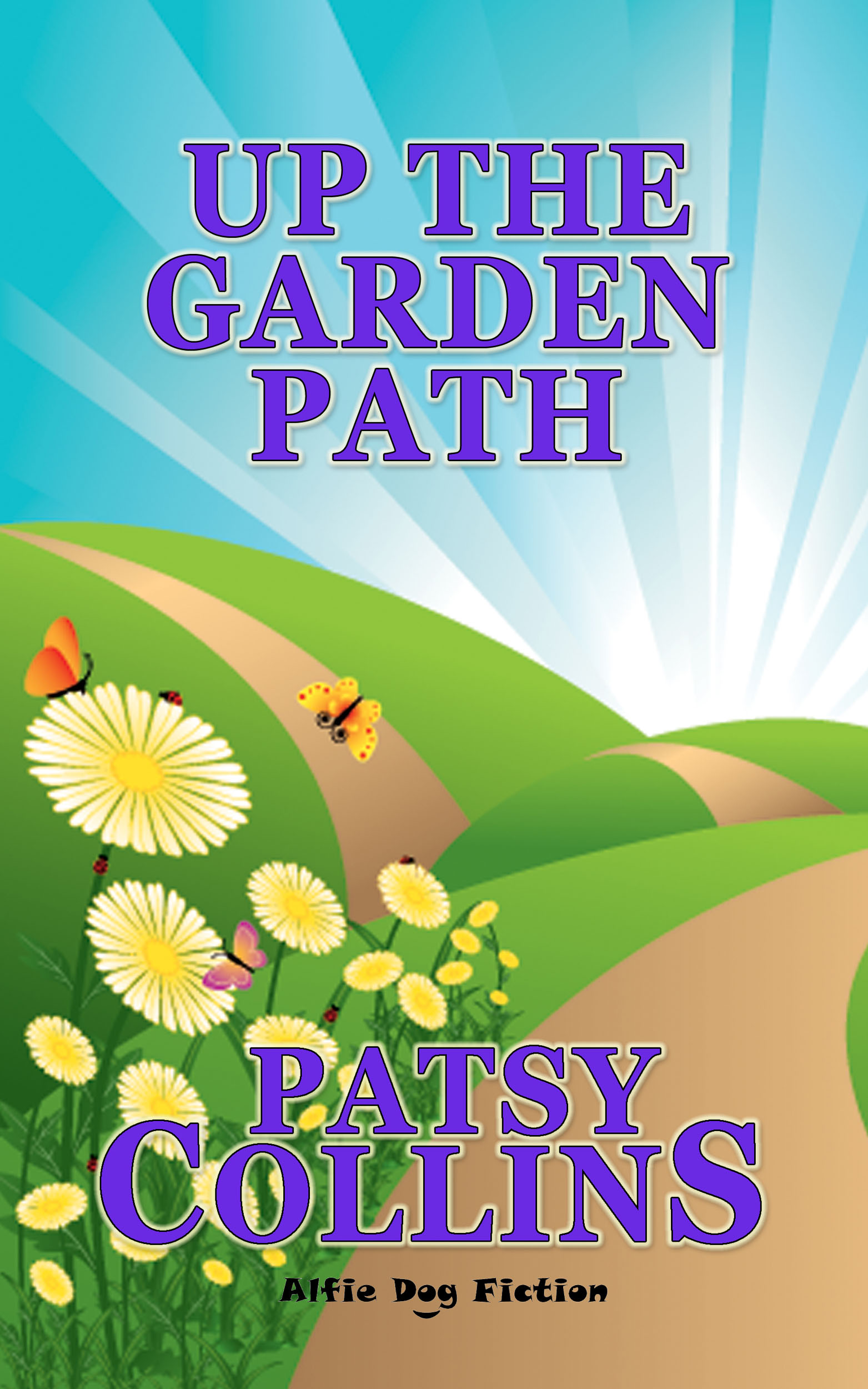
Suzy. How long does it take you to complete a story from idea to submission stage?
Patsy. It takes until I’m happy the story is as good as I can make it. How long that takes varies a lot.
In a few cases the idea seems to arrive fully formed and all I do is write it down, leave it a couple of days, read it through to be sure I’m happy with it, give it a quick check for typos and send it off. Sometimes I have a good plot idea, think of a location I’d love to use or dream up an interesting character but don’t have all the elements to complete the story. When that happens I make a note and come back to it now and then until I’ve worked out the other details. That can take months, even years.
Most often though it’s something between the two. I have most of the story in my head and add in more details as I work on it, or I have it all but I’m not sure it works or that I’m getting the best out of it. When that happens I need a second opinion. I’m lucky that I belong to a couple of writing groups where friends read each other’s stories and offer valuable feedback. I know you know how useful that is!
As a result of the feedback stories might get anything from a quick tidy up to a complete rewrite … or three.
Suz. Do you ever abandon a story? I wouldn’t think for one minute that you would do that, but how many submissions would you make before deciding to put a story to one side?
Patsy. I wouldn’t give up on a story I believed in just because it had been rejected a certain number of times.
Stories are rejected for all sorts of reasons. It may be that the publication has recently used something that’s similar in some way, or that it’s good but not quite right for them, or it’s a seasonal story and they already have as many as they want or that the story just isn’t good enough. When a story of mine is rejected I look at it and see if I can spot a problem with it. If I can’t and still like it I try it elsewhere. If I can see something wrong I consider if I can fix it. If I can I do, if I can’t then I might abandon it, or I might keep it on file in the hope of coming up with a solution.
Suz.
In Up the Garden path, I enjoyed reading and still am reading, the stories, but I especially liked the Flowers for Milly story. Can I ask how the inspiration for this one came about?
Patsy. Thank you, it’s good to know you liked the collection.
Flowers for Milly was one of those which took a while to put together. I had the location – it’s my Granny’s garden as it was twenty years ago. I’ve used it as the backdrop for several stories and will probably use it again.
The main character thinking things through while working in the garden probably came to me because I do that. I’ve never been in her situation, but I have lived somewhere that felt like someone else’s home more than mine, so maybe that experience was the prompt. The next door neighbour is a real person; a generous gardener who I knew years ago.
A lot of my stories are like that; a mixture of reality and fiction.
Thanks Patsy, it’s great to hear from you and get to know a bit more behind those lovely stories. Up the Garden Path is a great collection for reading in-between gardening jobs like watering and weeding. All the best gardeners have a book near to hand, and this one is ideal.
Don’t miss Sally’s birthday bonanza here Now there’s a treat.


 Susan Jones - Writer
Leave a reply to Teresa Cancel reply